
"Kenyan coffee cooperatives"
800 article(s) found

Introduction of Kenyan AA boutique coffee unique taste Kenyan coffee flavor characteristics
Kenya AA, round beans, thick flesh, good heat permeability, high precision, French baking, rich and sweet taste, mellow thickness, good expansibility, aroma and sweetness are top grade. People in the coffee industry all think that Kenyan coffee is one of its favorite products because Kenyan coffee contains every feeling we want from a good cup of coffee. It has

Kenya hole fish drink the price of Kenyan coffee beans correctly
For the exchange of professional baristas, please follow the coffee workshop (Wechat official account cafe_style) country: Kenya Grade: AA production area: Klinaga production area altitude: 1550-1750 m soil quality: red Phosphoric Acid soil treatment method: Kenyan double washing treatment Variety: SL 28, SL 34 treatment Plant: hole Fish treatment Plant producer: Cabaret Cooperative Flavor: grapefruit Green Tea

Description of Kenyan Jinchu Coffee Flavor with acidity of Fruit
Kenyan coffee is mostly grown at an altitude of 1500m, 2100m, and is harvested twice a year. To ensure that only ripe berries are picked, people must tour the forest about seven times. Kenyan coffee is grown by small farmers. After they harvest the coffee, they first send the fresh coffee beans to the cooperative cleaning station, where the washed and dried coffee is covered with parchment beans.
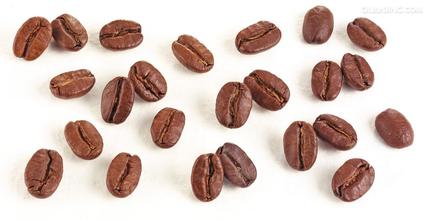
Description of Grinding degree and Flavor of Coffee in Berman Manor, Kenya
Kenyan coffee is mostly grown at an altitude of 1500m, 2100m, and is harvested twice a year. To ensure that only ripe berries are picked, people must tour the forest about seven times. Kenyan coffee is grown by small farmers. After they harvest the coffee, they first send the fresh coffee beans to the cooperative cleaning station, where the washed and dried coffee is covered with parchment beans.

Introduction to the characteristics of roasting degree and grindness of Kenyan Jinchu Coffee varieties
Kenyan coffee is mostly grown at an altitude of 1500m, 2100m, and is harvested twice a year. To ensure that only ripe berries are picked, people must tour the forest about seven times. Kenyan coffee is grown by small farmers. After they harvest the coffee, they first send the fresh coffee beans to the cooperative cleaning station, where the washed and dried coffee is covered with parchment beans.
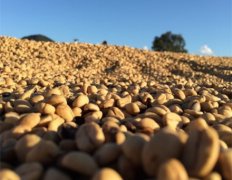
Kenyan boutique coffee introduction Kenyan coffee specialty Kenyan coffee flavor Kenyan coffee
It entered Kenya in the 19th century, when Ethiopian coffee drinks were imported into Kenya through southern Yemen. But it was not until the early 20 th century that the Bourbon Coffee Tree was saint. The Austin Mission (St.AustinMission) was introduced. Kenyan coffee is mostly grown at 15002100 meters above sea level and is harvested twice a year. To ensure that only ripe berries are picked, people must patrol the forest

Kenyan coffee AA grade coffee beans recommend Kenyan boutique coffee flavor Kenyan boutique coffee
Kenyan AA coffee is one of the rare good coffees. It is famous for its rich aroma and balanced acidity and is loved by many foodies. It is perfect and balanced, and has a wonderful and strong flavor, both fresh and not overbearing, is a complete but not heavy taste experience. Kenyan coffee is generally grown at an altitude of 1500 to 2100 meters and is harvested twice a year.

Introduction to the characteristics of Kenyan Jinchu Coffee Flavor Variety with rich taste and beautiful balance
In addition to having obvious and charming fruit acidity, Kenyan coffee is mostly from small coffee farmers, planted in a variety of different environments, encounter different climate and rainfall every year, and bring a variety of distinct and unique personalities. Take the AAPlus grade "KenyaAA+Samburu" as an example, the 2001 Samburu has a strong black plum flavor, low acidity and strong taste, and is new in the winter of 2002.

Is Kenya Osaya Coffee good? what's the flavor of Kenyan Osaya Cooperative Coffee?
For more information on coffee beans, please follow Coffee Workshop (Wechat official account cafe_style) Thuti AB, Kenya. The Wash Othaya Farmers' Cooperative has established a partnership with about 550farmers from the Neyri region of central Kenya. Most coffee trees growing in this area mature and grow slowly, producing super-hard coffee beans. Thuti Mill is located in Kar.

Introduction to the method of flavor description and taste treatment for grinding scale production of Kenyan coffee beans
There are two types of coffee farms in Kenya. One is a large plantation that covers an area of more than five acres, but the average elevation is low. In the case of Kenyan coffee, the coffee beans of the large farms are of medium quality. The best Kenyan beans come from small farms, most of which are located in the foothills or volcanic slopes above 5,000 to 6,000 feet. Each small farmer has a capacity of only 20 to 70 bags per season.

Kenyan Jinchugu Coffee with Fruit Flavor description of Grinding degree introduction of varieties in producing areas
Kenyan coffee is mostly grown at an altitude of 1500m, 2100m, and is harvested twice a year. To ensure that only ripe berries are picked, people must tour the forest about seven times. Kenyan coffee is grown by small farmers. After they harvest the coffee, they first send the fresh coffee beans to the cooperative cleaning station, where the washed and dried coffee is covered with parchment beans.

Introduction to high-quality coffee with rich and perfect taste characteristics of Kenyan coffee manor
Kenyan coffee is mostly grown at an altitude of 1500m, 2100m, and is harvested twice a year. To ensure that only ripe berries are picked, people must tour the forest about seven times. Kenyan coffee is grown by small farmers. After they harvest the coffee, they first send the fresh coffee beans to the cooperative cleaning station, where the washed and dried coffee is covered with parchment beans.

Introduction of top coffee with wild and distinctive personality of TOP Mahiga in AA Neri, Kenya
Professional barista exchanges please follow the coffee workshop (Wechat official account cafe_style) Kenya AA TOP Mahiga (Kenya Mahiga AA TOP) flavor description: plum, tea, kumquat, fine flowers. Country of origin: Kenya (Kenya) production area: Neri production area (Nyeri) producer: Mahiga treatment Plant (Mahiga Factory) varieties: SL28, SL34 classification
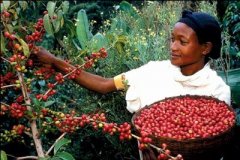
The Origin of Kenyan Coffee: Kenyan Coffee walks into Africa
It entered Kenya in the 19th century, when Ethiopian coffee drinks were imported into Kenya through southern Yemen. But it was not until the early 20th century that the bourbon was introduced by the St. Austen Mission (St.AustinMission). Kenyan coffee is mostly grown at an altitude of 1500m, 2100m, and is harvested twice a year. To ensure that only ripe berries are picked, people must be in the forest
Which manor is the Kenyan Kam Chu Valley coffee? how expensive is it? Flavor description production area is special
It entered Kenya in the 19th century, when Ethiopian coffee drinks were imported into Kenya through southern Yemen. But it was not until the early 20th century that the bourbon was introduced by the St. Austen Mission (St.AustinMission). Kenyan coffee is mostly grown at an altitude of 1500m, 2100m, and is harvested twice a year. To ensure that only ripe berries are picked, people must be in the forest

Introduction to the characteristics and taste of Kenyan coffee manor with bright fruit flavor
Kenyan coffee is mostly grown at an altitude of 1500m, 2100m, and is harvested twice a year. To ensure that only ripe berries are picked, people must tour the forest about seven times. Kenyan coffee is grown by small farmers. After they harvest the coffee, they first send the fresh coffee beans to the cooperative cleaning station, where the washed and dried coffee is covered with parchment beans.

Distribution of coffee producing areas in Kenya, introduction of Kenyan coffee
Follow the caf é (Wechat official account vdailycom) found that the beautiful coffee shop opened its own shop in Ethiopia, the origin of Arabica coffee trees in the north of Kenya, but it was not until the beginning of the 20th century that it began to engage in coffee cultivation. In the 19th century, missionaries introduced Arabica trees from Yemen, but did not plant a large number of them. It was not until 1893 that Brazil's ancient bourbon coffee was introduced.
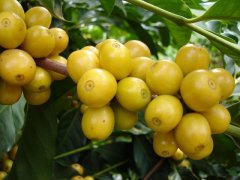
Kenya Gikanda Cooperative Kangocho Kangguqi Farm details Kenya AA
For the exchange of professional baristas, please follow the coffee workshop (Wechat official account qianjiecoffee) Kenya AA Kangguqi Kangocho Farm Kenya is a model country for producing fine coffee beans. Coffee was introduced from Britain in 1900, and only traditional Arabica did not have the best bourbon species of SL28 and SL34 in Kenya until 1950. All water is collected and treated.

Introduction to the treatment methods for describing the characteristics of Kenyan coffee flavor with slightly alcoholic aroma
Kenyan coffee is mostly grown at an altitude of 1500m, 2100m, and is harvested twice a year. To ensure that only ripe berries are picked, people must tour the forest about seven times. Kenyan coffee is grown by small farmers. After they harvest the coffee, they first send the fresh coffee beans to the cooperative cleaning station, where the washed and dried coffee is covered with parchment beans.

The Story of Kenya Coffee beans Kenya AA are uncertified Fairtrade coffee beans
Professional coffee knowledge exchange more coffee bean information Please follow the coffee workshop (Wechat official account cafe_style) recently there are several regular customers who are very happy to know that we are selling Fairtrade beans! However, with regard to Fairtrade beans, what we pursue is the imprint of the trademark or the pursuit of the spirit of fair care. Generally speaking, it is relatively hot in the market